Why a Sturdy Bulkhead Is Vital for Coastal Residential Property Defense
A durable bulkhead plays a vital function in protecting coastal buildings from extreme ecological forces. It works as an obstacle versus waves, protecting against disintegration and possible damages to homes. Past its safety function, a well-constructed bulkhead can boost the aesthetic charm and market worth of a residential property. Nevertheless, the performance of these structures depends on appropriate upkeep and adherence to policies. Comprehending these variables is vital for any kind of coastal homeowner. What effects do these factors to consider have for long-term financial investments?
The Function of Bulkheads in Coastal Protection
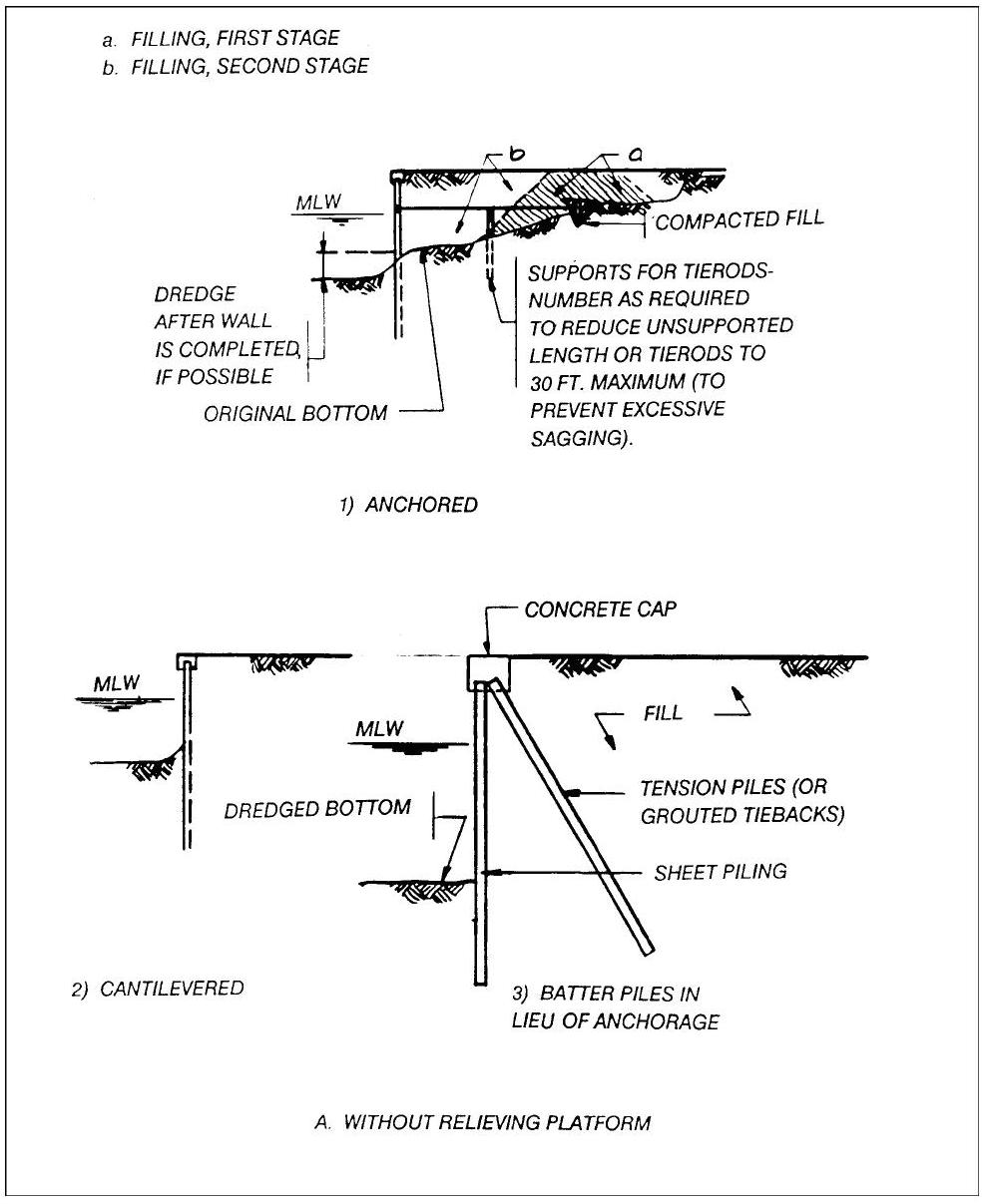
Bulkheads serve as vital structures in coastal protection, supplying an obstacle against the unrelenting forces of waves and disintegration. These vertical frameworks, usually constructed from steel, wood, or concrete, are designed to absorb and redirect wave energy, subsequently safeguarding the shoreline. By preventing the land from being overtaken by water, bulkheads play an essential role in preserving the honesty of coastal buildings. They are often employed in locations where the shoreline is particularly at risk, such as inlets, tidewaters, and extremely developed shorelines.
Beyond their safety feature, bulkheads can likewise add to environment conservation, offering security for nearby communities. They can sustain plant life that more improves coastal resilience. Nevertheless, the performance of a bulkhead relies upon proper style and setup, tailored to specific environmental problems. Eventually, bulkheads are important in the broader approach of coastal management, functioning as a frontline defense versus the vibrant forces of nature.
Stopping Erosion and Home Damages
Efficient seaside monitoring calls for a complex strategy to avoid disintegration and residential property damages. This involves employing techniques that combine natural and engineered remedies. Bulkheads function as a considerable obstacle versus wave action, properly lowering the influence of tidal pressures on shorelines. By absorbing and deflecting energy from incoming waves, bulkheads assist stop and support the land dirt loss.

Neighborhood awareness and participation likewise play a crucial function, as educated residents can participate in methods that decrease human effect on seaside communities. Ultimately, a detailed approach that includes both facilities and all-natural systems is necessary to safeguarding coastal homes from disintegration and damage.
Enhancing Visual Charm and Residential Or Commercial Property Value
Coastal buildings usually benefit greatly from enhancements that improve both visual appeal and building worth. A sturdy bulkhead not only offers a functional objective in safeguarding against disintegration but additionally adds to the total visual good looks of a waterfront residential or commercial property. By giving a clean, specified border between land and water, a properly designed bulkhead can enhance the landscape, complementing the natural beauty of the coast.
Furthermore, the visibility of a top quality bulkhead can signal to possible buyers that the property is well-kept and resistant versus environmental challenges. This assumption can lead to raised market price, as buyers typically prioritize buildings with durable protection versus seaside threats. Aesthetically pleasing bulkheads can include products and styles that straighten with neighborhood building styles, better boosting the residential or commercial property's charm (Bulkhead on Lake Livingston). Eventually, wikipedia reference the investment in a strong bulkhead can yield considerable returns in both visual and financial facets for seaside residential or commercial property proprietors
Long-Term Expense Financial Savings and Investment Security
Spending in proper coastal residential or commercial property protection can cause considerable long-term expense savings. A sturdy bulkhead acts as an obstacle against disintegration and flooding, reducing the likelihood of expensive repairs and upkeep that can develop from ecological damage. By preventing soil loss and safeguarding structures, building owners guard their investments, ensuring that the worth of their residential or commercial property stays steady or even values with time.
Additionally, the preliminary financial investment in a sturdy bulkhead can generate financial benefits over time, as insurance prices may reduce as a result of decreased threat exposure. Qualities with reliable seaside defenses are usually more attractive to customers, additionally improving their bankability. Bulkhead on Lake Livingston. Inevitably, a sound bulkhead not just fortifies the residential or commercial property versus nature's components yet also strengthens a proprietor's financial standing, making it a wise option for those seeking to shield their coastal investments
Navigating Laws and Maintenance for Bulkheads
Exactly how can residential property owners guarantee their bulkheads meet local policies and stay in suitable condition? Awareness of local legislations is essential, as bulkhead construction and upkeep often fall under specific zoning and ecological guidelines. Building proprietors need to consult their city government or environmental agencies to comprehend essential authorizations and compliance demands. Regular evaluations by qualified experts can determine architectural issues look at more info and prospective infractions before they escalate.
Maintenance techniques, such as regular cleansings and timely fixings, are crucial for extending the bulkhead's lifespan. Homeowner should also take into consideration seasonal weather condition impacts, ensuring that drainage systems are clear and functional. In addition, utilizing resilient materials that endure rough coastal conditions can avoid premature deterioration. By remaining positive and educated about guidelines and upkeep, home owners will improve the efficiency of their bulkheads, making sure seaside defense while adhering to lawful criteria.
Frequently Asked Inquiries
Just How Do Bulkheads Impact Resident Wild Animals Habitats?
Bulkheads can substantially modify regional wild animals habitats by restricting natural coastlines, disrupting debris circulation, and limiting accessibility to feeding and reproducing locations for different varieties, possibly causing decreased biodiversity and environment health in seaside areas.
What Materials Are Ideal for Building a Bulkhead?
Can I Develop a Bulkhead Without a Permit?
In several jurisdictions, creating a bulkhead without a license is unlawful. Regulations commonly require authorizations to assure conformity with environmental criteria and neighborhood zoning regulations, making it important to speak with neighborhood authorities before continuing.
Just how Lengthy Does a Bulkhead Commonly Last?
A bulkhead typically lasts in between click for more info 30 to 50 years, relying on materials, environmental problems, and upkeep. Regular evaluations and timely repair services can prolong its life expectancy, ensuring continued efficiency in safeguarding coastal residential or commercial properties from disintegration and damages.
What Are the Indications of a Failing Bulkhead?

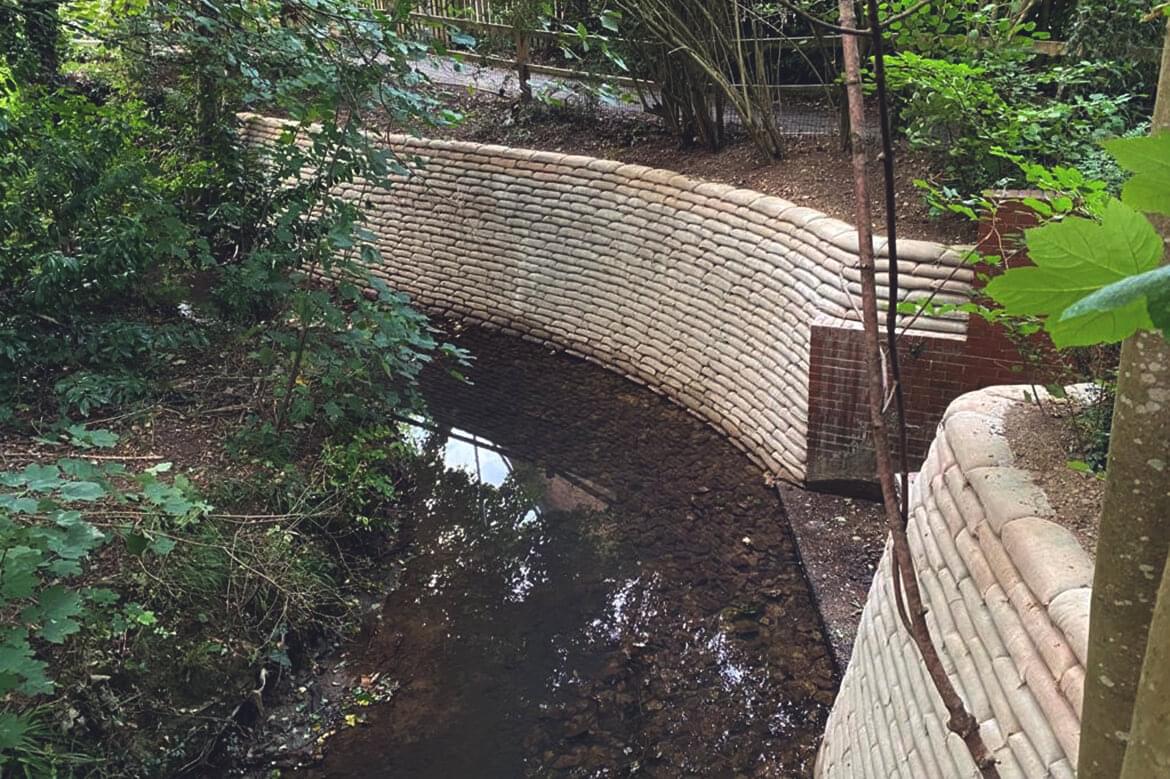
Indications of a stopping working bulkhead include visible splits or bending, dirt disintegration behind the structure, too much water pooling, tilting or leaning, and corrosion or decay in wood components, indicating architectural compromise and potential failing. (Bulkhead on Lake Livingston)
A durable bulkhead plays a vital role in shielding seaside residential or commercial properties from harsh environmental pressures. By stopping the land from being overtaken by water, bulkheads play a critical role in maintaining the honesty of seaside residential properties. A durable bulkhead not only serves a useful function in safeguarding versus erosion however likewise adds to the total aesthetic beauty of a waterside home. In addition, the existence of a top quality bulkhead can signal to prospective customers that the property is well-kept and resistant versus ecological challenges. How can residential property proprietors guarantee their bulkheads meet regional laws and continue to be in ideal problem?